Ag Newsletter - 26 June 2026

As the End of Financial Year (EOFY) is now only a few days away, its the perfect time to take advantage of the Drover Ag EOFY Deal. If you lock in a full Recruitment package before the end of the financial year, we will automatically apply a Free Service Tier Upgrade, plus ask us about our package deals.
Click here to claim the EOFY deal and beat the July hiring rush.
Livestock Markets:
Restocker Steers Surge 25–27¢ at Roma as Supply Tightens - The cattle market maintained strong upward momentum at Tuesday’s Roma Store Sale (23/6/26), where a tighter yarding of 6,950 head was met with intense buyer urgency. Driven by widespread early-winter soil moisture across the eastern states, grass-seeking backgrounders and aggressive southern restockers heavily dominated the rails. Light-weight restocker steers (200 to 280kg) experienced a major price spike, climbing 27¢/kg to hit a top of 626.2¢/kg to average 597¢/kg. Steers in the 280 to 330kg range also performed strongly, gaining 25¢/kg to average 578¢/kg. While medium-weight steers returning to the paddock held firm, the prime cow market traded slightly dearer under full export buyer attendance. Source:Beef Central| NLRS
Water Policy:
New Basin Report Reinforces Call to End Buybacks - The National Farmers' Federation (NFF) says the Murray-Darling Basin Authority’s newly released What We Heard Report validates the agricultural sector's deep concerns over the socio-economic impacts of continued water buybacks. Highlighting that farmers have already surrendered more than their fair share, NFF Water Committee Chair Malcolm Holm stressed that the policy focus must definitively shift away from acquiring more water. Instead, the NFF is urging authorities to maximise environmental outcomes by using existing water allocations through practical measures such as carp control and river infrastructure upgrades. Welcoming the report's acknowledgment of a "missing agricultural narrative," the NFF warned that failing to prioritise the Basin's food-producing capacity threatens both regional economies and national food security. Source:NFF
Chemical Regulation:
APVMA Rules to Retain Paraquat but Imposes Steep Restrictions - The Australian Pesticides and Veterinary Medicines Authority (APVMA) has released its highly anticipated final regulatory decision on the knockdown herbicides paraquat and diquat. Rejecting proposals for an outright ban, the APVMA will allow both chemicals to remain available to protect minimum and no-till broadacre systems. However, major new operational restrictions are being introduced: the maximum blanket application rate for paraquat drops drastically from 1,150g to 231g of active ingredient per hectare. Furthermore, backpack sprayers will be phased out entirely, with enclosed mixing systems mandated and enhanced PPE required. Existing chemical stocks will be phased out over a two-year transition window. Sources:NFF|Grain Central
Biosecurity:
H5 Bird Flu Confirmed in Second State as Surveillance Intensifies - Following recent detections in Western Australia, state authorities have confirmed that the highly pathogenic H5 avian influenza strain has now been detected in a wild seabird in South Australia. The South Australian Department of Primary Industries and Regions (PIRSA) confirmed the virus was identified in a southern giant petrel found at Knights Beach on the Fleurieu Peninsula. While the disease remains confined to wildlife, state departments have rapidly accelerated coastal surveillance. The National Farmers' Federation (NFF) continues to stress that strict on-farm biosecurity protocols and immediate reporting of unusual livestock or bird mortalities to the Emergency Animal Disease Hotline (1800 675 888) remain the primary lines of defence for commercial operations. Sources:PIRSA Official Release | SBS News
Employment & Education:
Meat Judging Conference Aims to Secure Future Ag Leaders - The 2026 Intercollegiate Meat Judging (ICMJ) National Conference is set to commence next week (June 30 to July 4) in Wagga Wagga. Organisers emphasise that intensive pipelines like the ICMJ are critical for regional workforce development, equipping students, graduates, and young professionals with the advanced carcase assessment, supply chain compliance, and data-driven analytics skills required to lead modern red meat enterprises. Source: Teys Australia
EOFY 2026 Final Reminder:
Critical Payroll & Super Changes
As we approach July 1, agricultural employers must prepare for major structural changes to payroll compliance and wage rates. For more details, check out the original coverage Drover Ag News earlier this quarter and consult your accountant.
 Megan Boote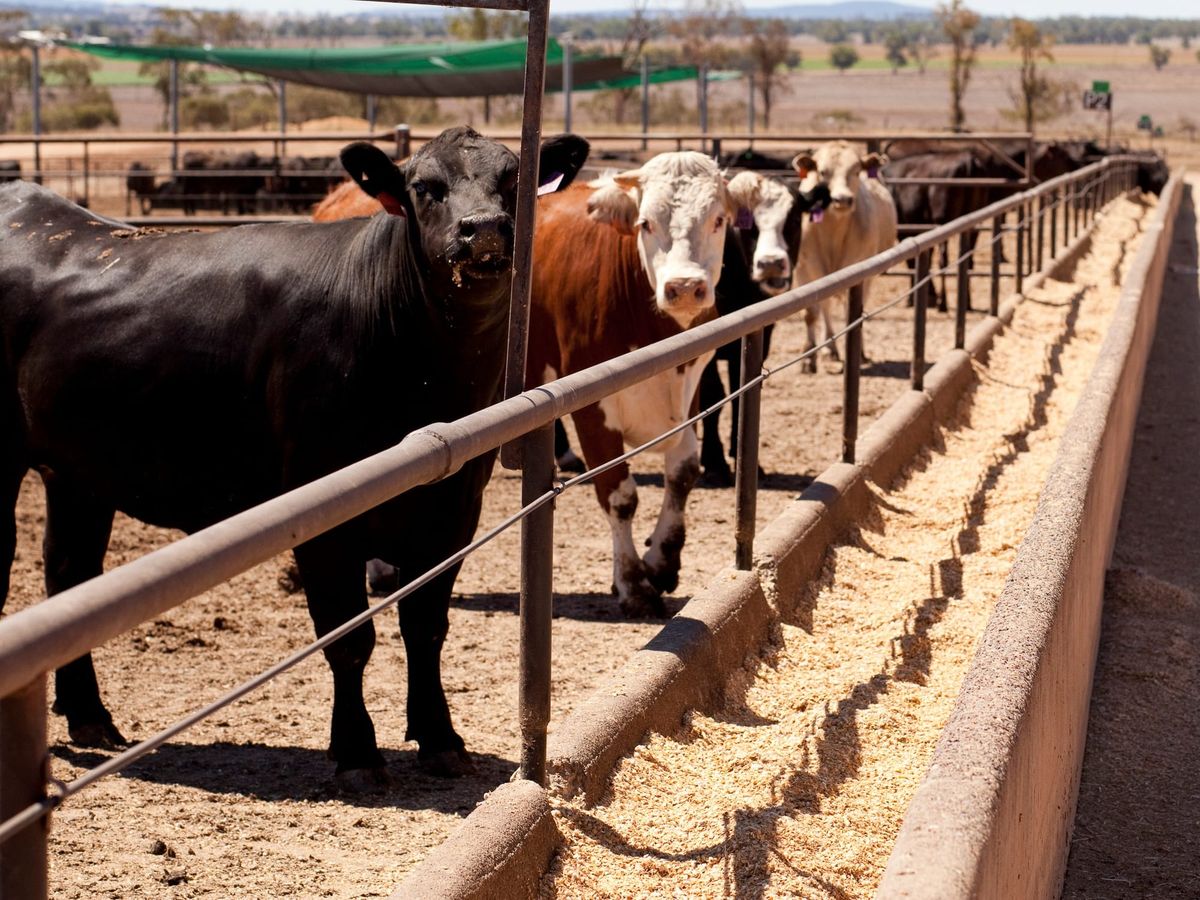
The Rollout of 'Payday Super'
- The 7-Day Rule: The quarterly super payment cycle has ended. Superannuation Guarantee (SG) contributions must now physically clear into an employee's super fund within 7 business days of their payday.
- SBSCH Closure: The ATO’s free Small Business Superannuation Clearing House (SBSCH) permanently closes on 30 June. Employers must urgently switch to commercial, SuperStream-compliant software.
- Cashflow Impact: The traditional quarterly cash buffer is gone. Super obligations will leave your account almost simultaneously with wages.
Minimum Wage & Award Increases
Taking effect from your first full pay period on or after 1 July 2026:
- Modern Awards: All modern award minimum wages (including the Pastoral Award) increase by 4.75%. Fairwork
- National Minimum Wage (NMW): The NMW increases by 6%, bringing the minimum hourly rate to $26.44. Fairwork
Superannuation Rates & Caps
- SG Rate: Remains steady at 12% for the 2026–27 financial year.
- Contribution Caps: Concessional (before-tax) caps rise to $32,500; non-concessional (after-tax) caps increase to $130,000.