Daily Ag News - 27 April 2026
Record cattle turnoffs and chronic transport issues are squeezing eastern livestock markets, while surging Western Australian grain prices are driven by eastern feed deficits. Farm businesses continue to face rising costs on many fronts and are preparing for sweeping Payday Super compliance changes taking effect on July 1.
Market Update:
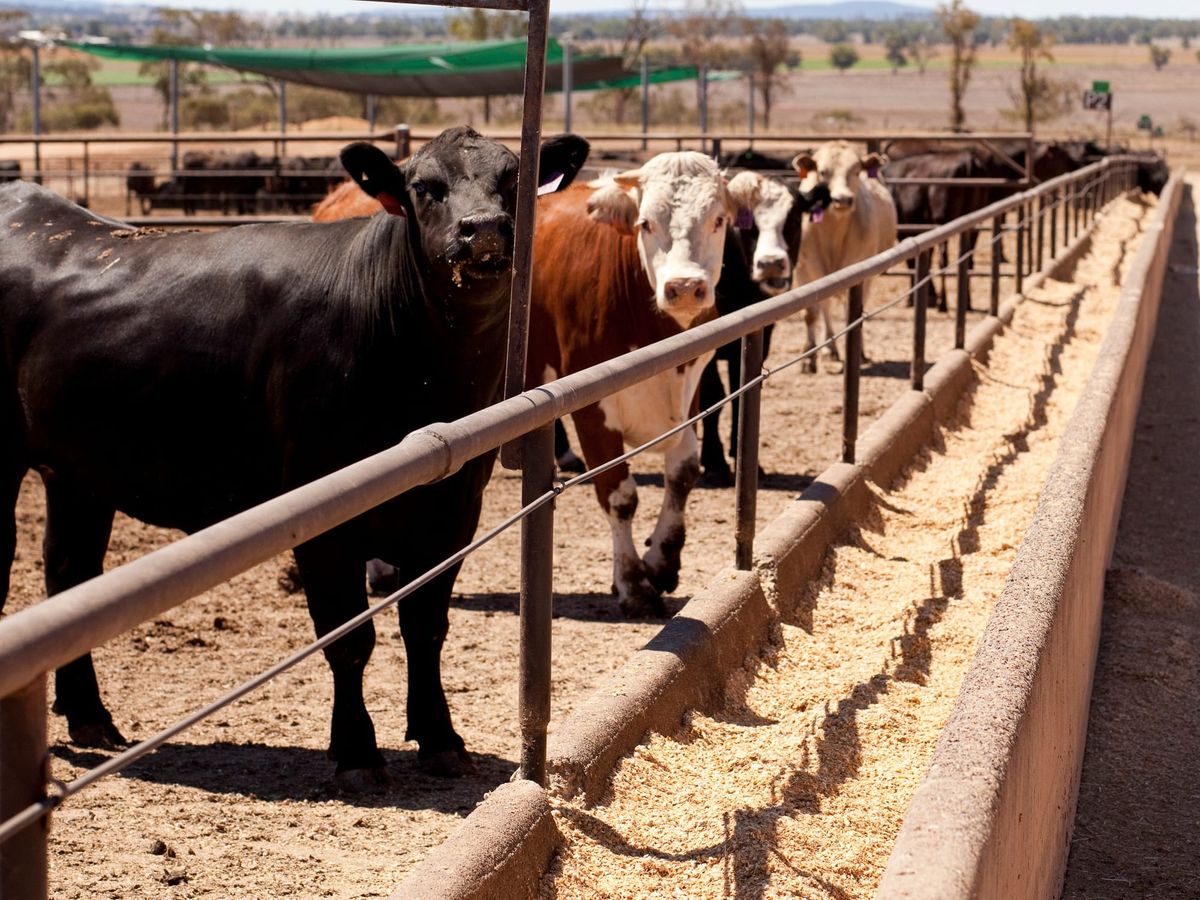
Cattle - Eastern states cattle markets felt the pressure this past week, driven by a massive, dry-weather-fueled turnoff in New South Wales. Saleyard numbers remained exceptionally high, with Dubbo breaking yarding records for a second consecutive week with 11,500 head yarded. This relentless supply has pushed national weekly cattle slaughter to a year-to-date high of nearly 165,000 head. Consequently, almost all cattle indicators trended downwards across the eastern seaboard, with the Feeder Steer Indicator slipping to 451¢/kg lw by end of the week. MLA
Driver Workforce Shortages: The Australian Livestock and Rural Transporters Association (ALRTA) is highlighting that severe driver shortages continue to heavily constrain freight capacity. They noted that slow and inconsistent training pathways are hindering the rapid redeployment of new drivers to the bush. ALRTA In addition, transport companies are increasingly prioritising full-load, high-efficiency routes, reducing options for remote producers.
Week ahead for cattle- Australian cattle markets are facing downward pressure this week as predominantly dry weather and rising input costs trigger massive livestock liquidations. Adding to the margin squeeze, surging feedgrain costs—up by as much as $70/tonne over the past month for Downs feedlots—are heavily suppressing restocker and lotfeeder demand. Meanwhile, looming trade hurdles are adding uncertainty, and producers are prioritising immediate cash flow over herd rebuilding. This is expected to keep prices subdued in the short term, and demand from processors is likely to shorten further due to a stretched workforce and already full kill rosters. Sources: Beef Central, MLA
• Sheep & Lamb - The National Trade Lamb Indicator experienced a modest dip, averaging around 1,040¢/kg cwt. Heavy lambs saw selective but firm buying, while mutton clearance rates remained steady week-on-week.
• Grain & Feed - Local feedgrain markets tightened significantly last week. A growing feed deficit in Southern Queensland has pushed northern wheat prices upward, forcing buyers to consider coastal shipping to secure adequate feedlot supplies.
Western Australia - This week’s Western Australian agricultural market presents a mixed bag of firming grain values and frustrating livestock supply chain bottlenecks. In the cropping sector, wheat values are pushing higher, with live offers reaching $440–$460/t delivered, Downs; these firm prices are being heavily supported by eastern drought conditions, with traders actively looking to ship WA grain straight to Brisbane to service desperate east-coast feed buyers. Cattle prices are generally firm; however, the sheep sector faces significant headwinds. WA is currently the only state experiencing declining lamb indicators, as skyrocketing freight costs and a highly concentrated local processing sector squeeze farm-gate margins, leaving producers heavily reliant on strong international export demand to provide a crucial price floor.
Sources: Clear Grain Exchange exchange.cleargrain.com.a | Grain Central graincentral.com/markets
Change to PayDay Super:
Preparing Your Farm for the July 1 'Payday Super' Deadline
From July 1, 2026, the Federal Government’s Payday Super laws will abolish traditional quarterly superannuation and Super will be required to be paid each pay run. Here is a quick summary of the new compliance rules and the immediate steps rural employers must take.
The Rule Change - You must now pay employee Superannuation Guarantee (SG) contributions at the exact same time as their wages. Crucially, these funds must physically land in the employee's nominated super account within seven business days of payday. Missing this tight window will trigger strict ATO penalties.
The Cashflow Impact - The quarterly super cycle previously offered farm businesses a short-term cash buffer. With Payday Super, this buffer disappears. If you employ large teams of casuals for harvest or shearing, their 12% super entitlements will now leave your account simultaneously with their wages, requiring immediate working capital and strict liquidity management.
The Closure of the SBSCH - Adding to the urgency, the ATO is permanently closing the free Small Business Superannuation Clearing House (SBSCH) on June 30, 2026. If you use this portal, you must download your records and transition to an alternative system before the new financial year.
Your Quick Action Plan:
• Upgrade Software: Transition immediately to a commercial, SuperStream-compliant payroll software that supports simultaneous pay and super runs.
• Audit Employee Data: The 7-day clearance rule leaves no room for bounced payments. Double-check all staff TFNs and super fund details to prevent compliance failures.
• Review Cashflow: Speak with your accountant today to adjust your seasonal budgets, ensuring you have the liquid capital to handle the immediate SG hit on every pay run.
To ensure your farm business is fully prepared for the July 1, 2026 rollout, it is highly recommended to consult with your accountant and review the official guidance provided by the Australian Taxation Office (ATO). You can find checklists, details on the new "qualifying earnings" (QE) calculations, and step-by-step guides for transitioning away from the SBSCH at the ATO’s dedicated Payday Super information hub, or by viewing their specific Payday Super checklist for employers. Taking action now will save you time, protect your working capital, and set your agricultural enterprise up for a seamless and compliant financial year.