Ag Newsletter - 10 July 2026
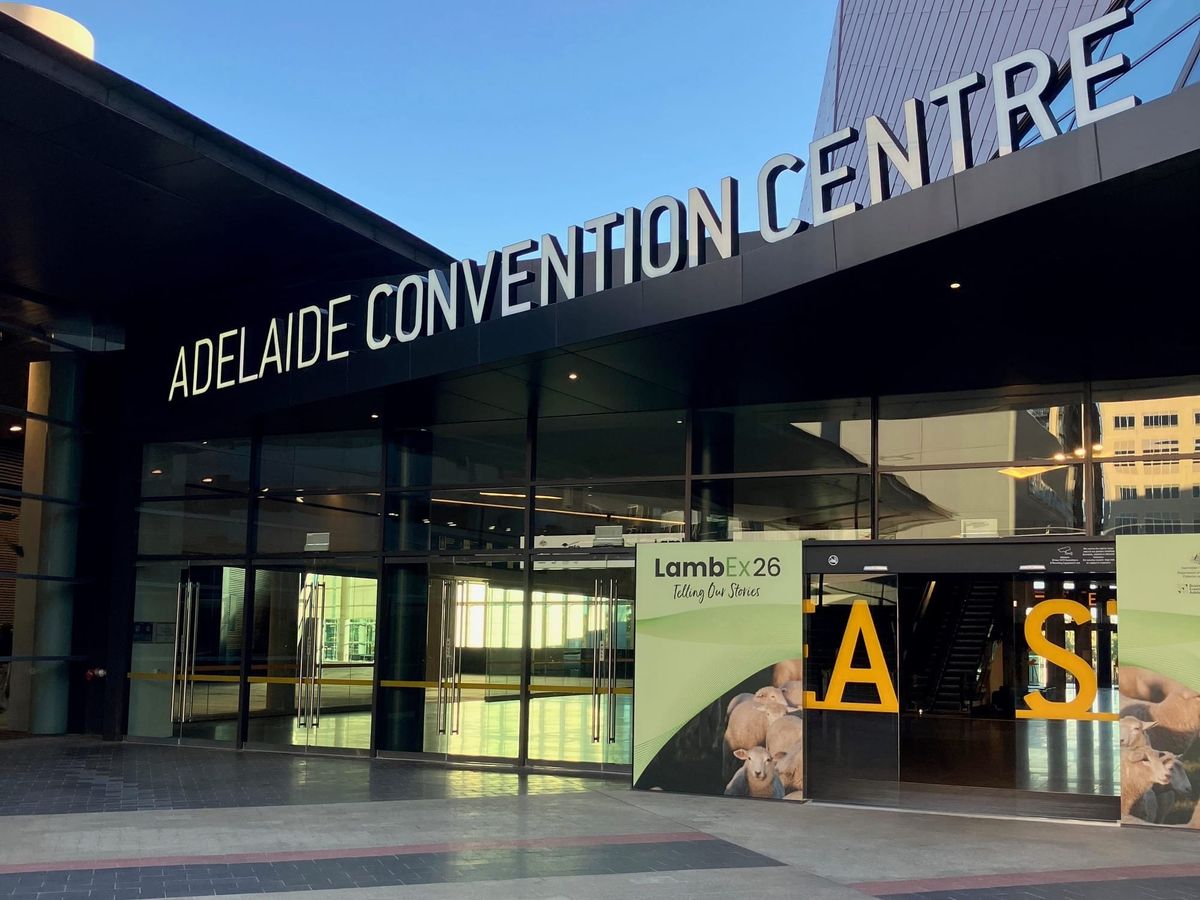
Its a wrap at LambEx 2026
Fresh from the Adelaide Convention Centre, Drover Ag's Recruitment Manager, Bec Vickers, delivered a standout presentation at LambEx 2026 that challenged traditional rural hiring methods. Bec introduced the concept of "low-stress staff handling," arguing that employers need to apply the same patience, communication, and predictability to their workforce that they do to their livestock to build a resilient farm culture.
If you are looking to reduce staff turnover and move away from generic job ads, Bec's insights are a must-read. Below, we break down her top three strategies for securing top-tier talent, starting with why finding the "human match" matters far more than a technical resume.
 Megan Boote
Cattle Markets:
Cattle yardings across the eastern states showed mixed trends this week, largely dictated by local weather conditions. Early-week rain suppressed supply in several southern and central NSW selling centres, while clearer weather in Queensland allowed for significant yarding increases mid-week. Across the board, restocker demand remained robust for quality light cattle, though feeder and export categories faced varied competition depending on finish and quality.
- Wagga Wagga, NSW (July 6, 2026): Rain reduced the yarding to 3,205 head (down 895 head). Mixed quality resulted in softer feeder and export prices, while restocker demand for light steers remained solid.
- Forbes, NSW (July 7, 2026): A smaller yarding of 1,004 head met a firm to easier market. Feeder steers eased, and cows sold 12–18¢/kg cheaper.
- Gunnedah, NSW (July 7, 2026): Numbers lifted to 1,640 head. Better-quality offerings drove a mostly dearer market, supported by strong restocker and feeder yearling demand.
- Dalby, QLD (July 8, 2026): Yardings increased significantly to 6,052 head, with the market seeing strong gains. Light weight yearling steers to restockers peaked at 678¢/kg, averaging 566–576¢/kg. Heavy weight yearling steers to feed reached up to 626¢/kg (averaging 557¢/kg). Quality heavy cows also improved, with the best lines averaging 387¢/kg.
- Roma Store, QLD (July 8, 2026): Supply surged to 9,715 head. A high-quality yarding of weaners and feeders sold to a slightly dearer market, strongly supported by local and southern restockers and feedlot buyers.
- Charters Towers, QLD (July 8, 2026): A combined prime and store sale drew 1,823 head. Heavy cows saw solid demand throughout the sale, averaging 344¢/kg.
Source: Meat & Livestock Australia (MLA) / NLRS Prices & Markets.
Agribusiness & Succession:
Rabobank Rolls Out Regional Business Transition Workshops - Rabobank's Queensland Rabo Client Council has announced a series of targeted, complimentary "Business Transition and Succession Planning" workshops for primary producers, scheduled across regional centres, including Richmond, Biloela, and Bundaberg, throughout July. The workshops are designed to help farming families navigate the complex financial and emotional hurdles of handing their agricultural operations over to the next generation. The bank emphasised that successful farm transitions require strategies that preserve core family values while supporting ongoing resilience. Source: Rabobank Australia
Biosecurity:
H5 Bird Flu Risk to Australian Cattle Remains Low - Dairy Australia and the Australian Government have issued a joint biosecurity update reassuring producers that, despite recent positive detections of H5 avian influenza in migratory wild birds across NSW, SA, and WA, the risk to Australian livestock remains low. The highly specific H5 2.3.4.4b genotype that has affected dairy cattle in the United States has not been detected in Australia. An industry-led H5 Bird Flu Monitoring Team has been established, and producers are urged to review farm biosecurity plans and report any unusual drops in milk production or herd lethargy to the Emergency Animal Disease Hotline. Source: Dairy Australia
Global Cropping Markets:
EU Heat and Canadian Floods Drive Market Volatility - Extreme global weather events are currently dictating grain and oilseed pricing. A severe heatwave across the European Union is causing significant damage to French corn crops, while in North America, severe flooding across Western Canada is expected to result in the abandonment of up to 5% of the planted crop area. Locally, these international supply concerns helped firm up domestic bids early this week, with Western Australian canola and wheat prices seeing modest improvements. Source: Grain Central