Ag Newsletter - 30 October 2026
Beef:
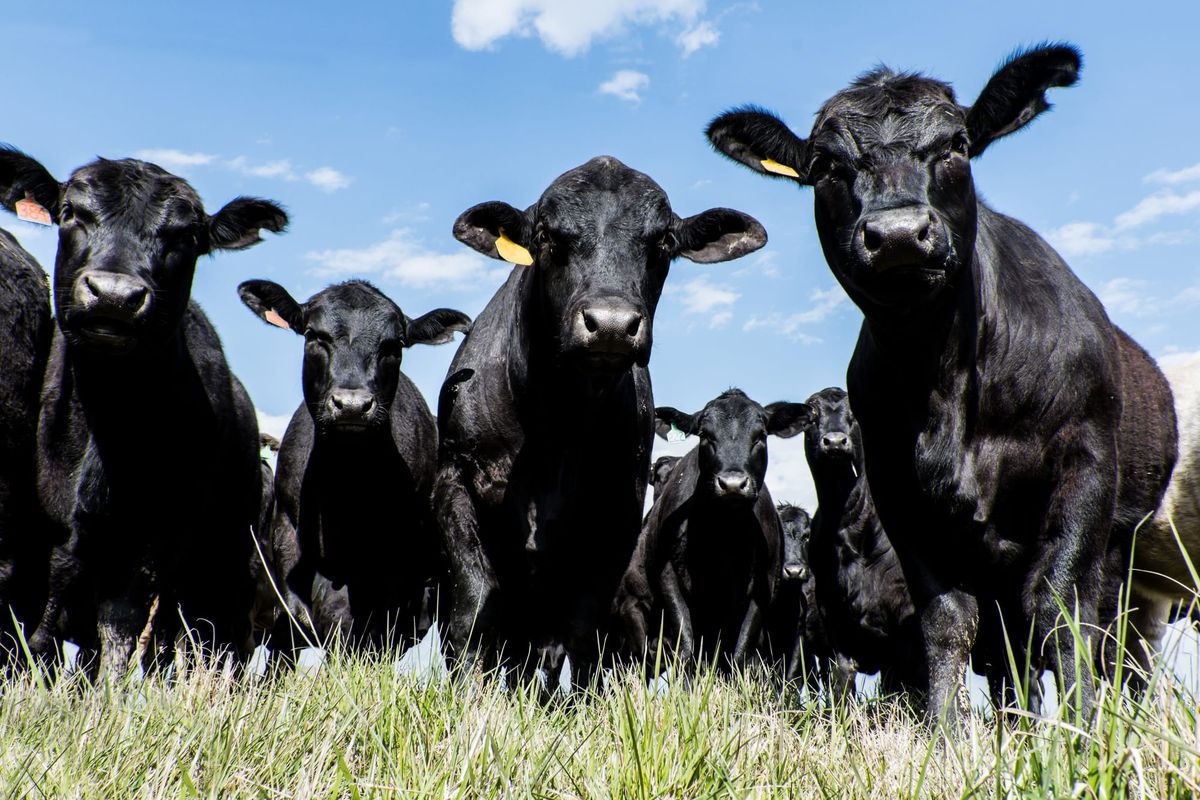
Rain Disrupts Domestic Processing While High Prices Pressure Live Exports - The Australian beef sector is facing a complex set of challenges this week, balancing domestic weather disruptions with increasingly difficult international trading conditions.
On the home front, widespread rainfall across key supply areas has significantly constrained logistics and cattle movement, leading to a sharp drop in processing throughput. Driven predominantly by the wet weather—along with localised holidays at some sites—national cattle slaughter fell by almost 18,500 head compared to the same week last year, and 7,800 head on the previous week. With tighter slaughter cattle supply expected in the immediate future, there is growing discussion in processing circles about the potential for early seasonal closures for some plants that are heavily exposed to saleyard buying.
Simultaneously, the live export sector is navigating severe margin pressures heading into 2027. According to the latest South East Asia Report, Australia’s live cattle exports are currently tracking 23.5% down year-on-year. This downturn is largely being driven by high Australian feeder steer prices, which are rapidly approaching local slaughter cattle prices in key markets like Indonesia and Vietnam—even before freight and other export costs are added. Combined with Indonesia's domestic meat price caps, these high local prices are creating an exceptionally difficult environment for exporters and regional trading partners.
Cropping:
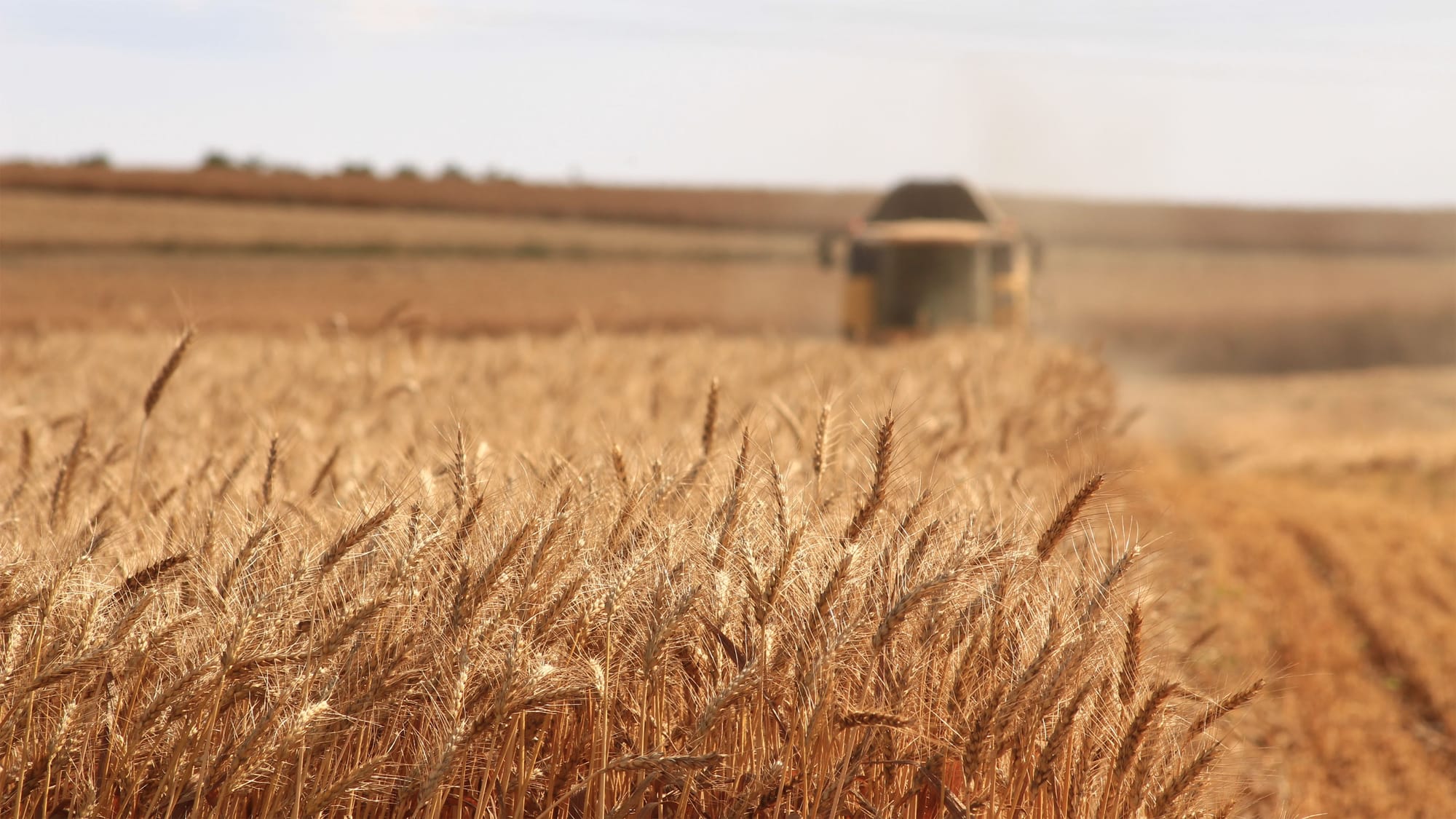
Rain Thwarts Chickpea Harvest While Lentils Remain Firm - Recent rainfall has put the brakes on the chickpea harvest across northern New South Wales and southern Queensland, with crop downgrades now expected. Parts of Queensland's Western Downs received up to 110mm of rain just as crops were on the point of harvest. ABARES recently estimated Australia's chickpea crop at 1.05 million tonnes, but only a fraction has been harvested so far. Conversely, lentil crops on South Australia's Eyre and Yorke peninsulas are on track for bumper yields following patchy but useful rainfall. Source: Grain Central
Canola Forecast Lifts Across All States - The Australian Oilseeds Federation (AOF) has revised its national canola crop forecast to a record 8.59 million tonnes. If realised, this production estimate will sit 7.7% higher than the previous record set in 2022-23, up 10% on last season, and almost 7% above the five-year average. Windrowing and harvesting are currently underway across northern growing regions, with early results showing average to above-average yields and oil contents commonly reaching the high 40% range. Source: Grain Central
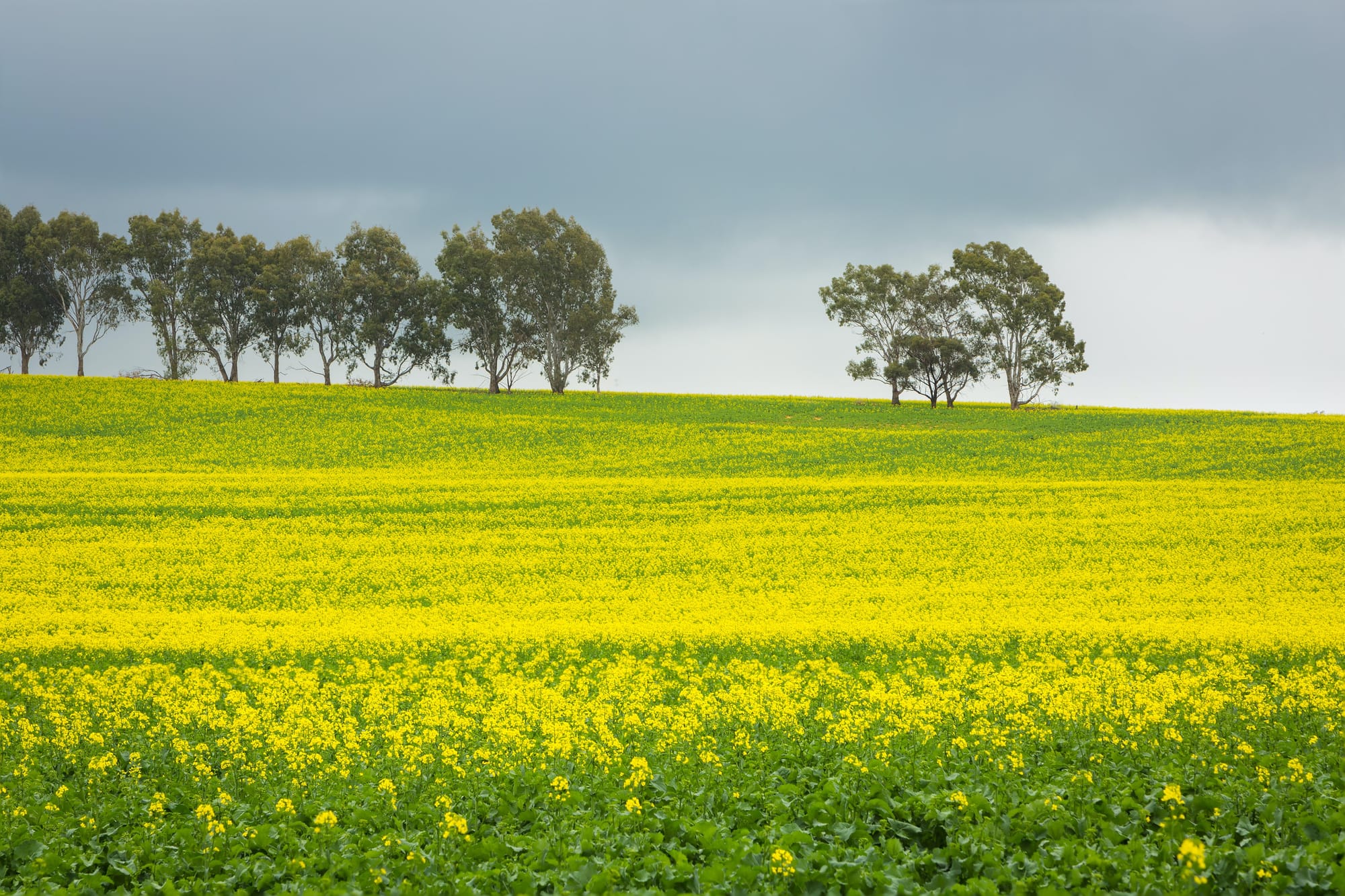
Experts Sound the Alarm on Canola-on-Canola Plantings - The Grains Research and Development Corporation (GRDC) has issued a strong warning this week regarding the rising trend of "canola-on-canola" cropping. With an estimated 92,000 hectares of canola planted directly into canola stubble this season, agronomic experts are raising the alarm over escalating disease pressure. Following a wet 2026 season that saw blackleg and other fungal diseases thrive, researchers stress that the severe risks of fungicide resistance—particularly to critical DMI and SDHI chemical groups—far outweigh the short-term financial benefits of back-to-back canola rotations. Source: GRDC
Weather:
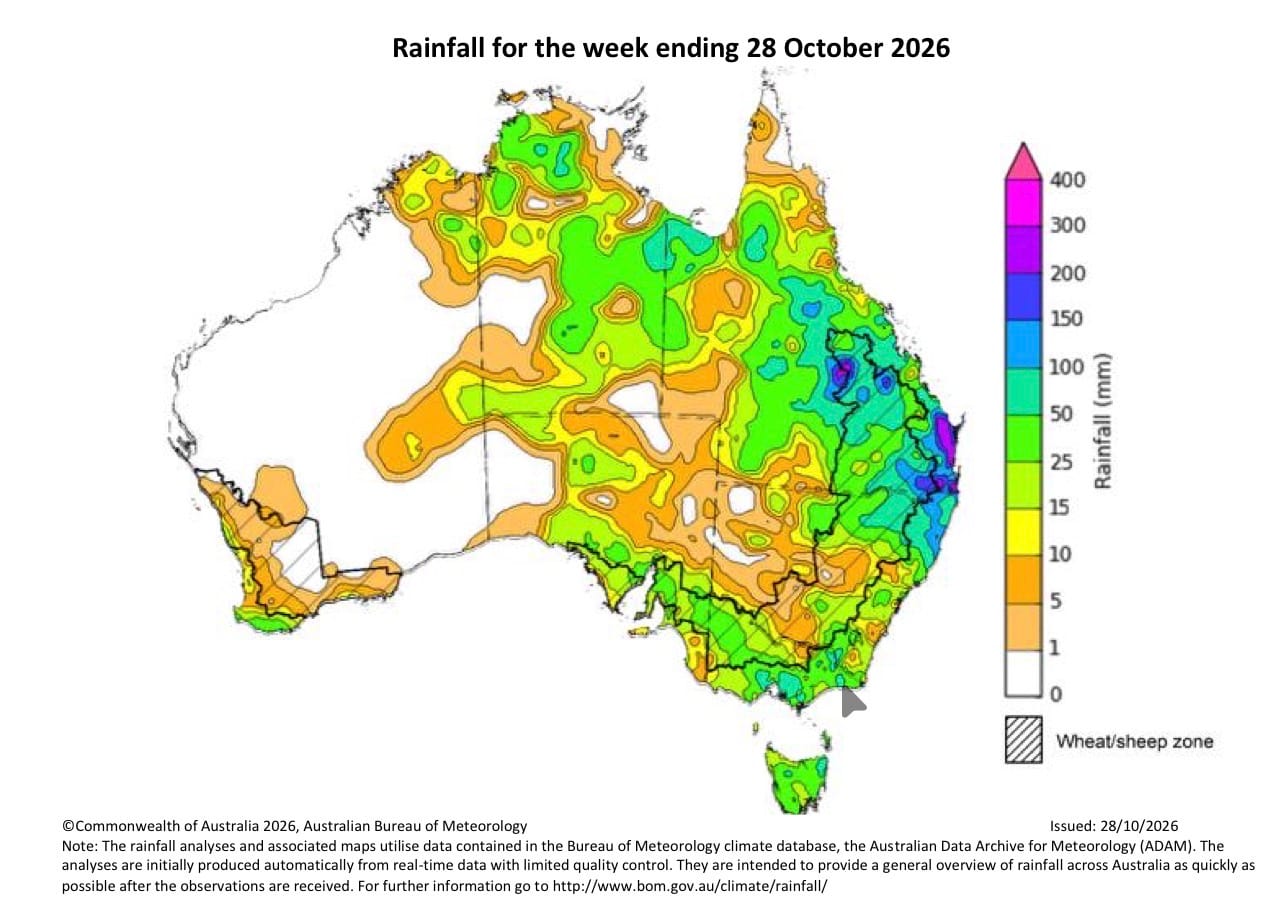
Early Northern Rainfall Onset Delays Harvest - Northern rainfall onset has arrived unseasonably early for parts of Western Australia, the Northern Territory, and Queensland. While this early rain is supporting summer crop establishment, the 200mm+ that fell across Queensland and northern New South Wales last week is heavily delaying the winter crop harvest. Agronomists are closely monitoring the situation, warning that the excess moisture significantly increases the risk of grain quality downgrades. Source: Department of Agriculture, Fisheries and Forestry (DAFF)
Staff Retention: 3 Things That Could Lose You Great Farm Staff in the First 60 Days
Recruiting a good operator is only half the battle. Keeping them past the first 60 days is where operations either thrive or lose momentum.
In today’s agricultural labour market, top-tier, skilled operators are becoming highly strategic about where they work. With economic uncertainty and rising costs, the focus is shifting from just finding "labour units" to finding people to help build your business so it can actually thrive when things get uncertain. Often, farms don't just have recruitment problems they have team-system problems where too much of the daily load still bottlenecks through the owner.
Look through the surface and you'll find these three common pitfalls we see when placing crew across the country:
- Unclear Expectations - A highly capable person can still underperform if expectations are unclear or keep shifting. Many operations assume a good worker will just "figure it out," but momentum is lost gradually through vague directions and tolerated drift. If a new starter doesn't have clear role boundaries from day one, confusion sets in, execution slows down, and costly re-work increases.
- Inconsistent Management and Communication - Good staff get frustrated when everything still bottlenecks through one person. If the owner or manager is carrying too much of the daily load and only reacting under pressure, it weakens accountability and confidence across the team. When communication is inconsistent and decisions are constantly delayed, new staff feel powerless and don't stay.
- Tolerating Weak Culture and Poor Fit - Workplace culture on a farm isn't what you might think; it's essentially about respect and practical realities. If poor behaviour, bad attitudes, or weak standards from existing staff are tolerated too long, your best new people end up carrying too much of the load. When a good operator feels disrespected or stuck in a tense environment, they will mentally check out long before they actually pack their bags.
The Bottom Line The most successful operations we see are de-risking by moving away from that "one-man-band" setup and turning into streamlined, systems-led enterprises. If you’re finding that good people are hard to hold, or everything still lands back on you, the problem is deeper than recruitment.
Want to stop the revolving door and build a stronger team? Book a Call with Drover Ag today and let us help you find where your business is losing time, profit, or good staff.
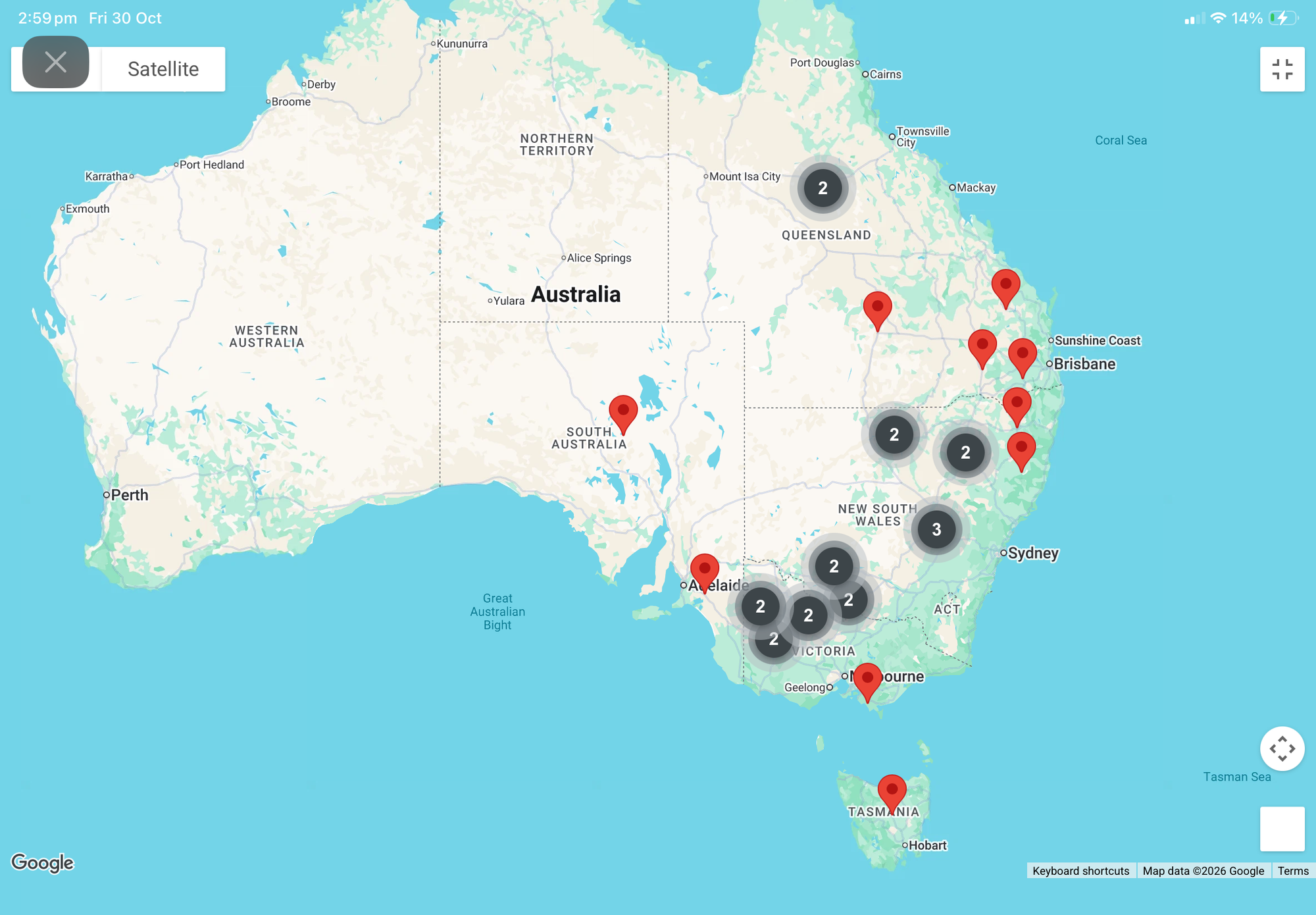
Search the best current opportunities in Agriculture, sourced directly from Drover Ag clients nationwide.

Drover Ag's remote ag recruitment is powered by Starlink. Get amazing internet from Starlink to power your rural business using the link below, and get $220 service credit when you sign up for Residential or Roam through using the unique referral link. Conditions apply.