Why 'Low-Stress Staff Handling' is the Key to Solving Ag's Recruitment Crisis
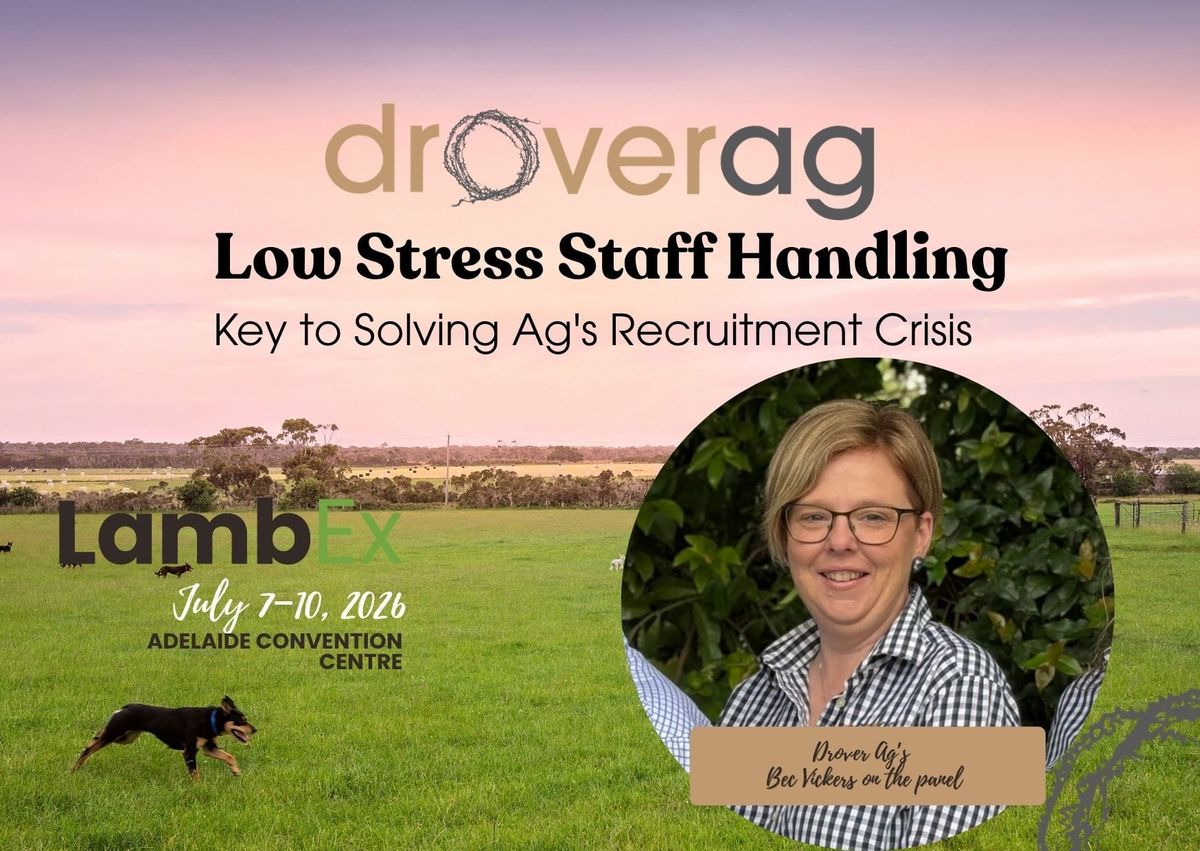
LambEx 2026 Roundup:
The Australian sheep and wool industry’s premier event, LambEx 2026, has once again proven why it is the beating heart of the sector. Operating under the theme Telling Our Stories, this year’s massive gathering at the Adelaide Convention Centre brought together over 1,500 producers, processors, and supply chain leaders.
From the world-first AMPC Carcase Showcase—which linked on-farm genetic decisions directly to eating quality and market signals—to elite keynote presentations from futurists and global market analysts, the official program was stacked with technical and strategic insights.
But beyond the discussions on lambing percentages, methane-reducing feed additives, and export markets, one topic dominated the corridors and breakfast tables: the ongoing, structural workforce shortage crippling Australian agriculture.
Tackling this head-on was Bec Vickers, Recruitment Manager at Drover Ag, who delivered some home truths during the LambEx Breakfast Panel. Speaking to a packed room of employers and industry professionals, Vickers outlined the harsh realities of a fiercely competitive candidate market—and offered a practical roadmap for businesses wanting to attract and retain top-tier talent.
The End of "Yesterday's Game"
Vickers opened her address by dismantling the traditional approach to rural hiring. She revealed that roughly 80% of the mid-to-senior management candidates Drover Ag successfully places are "passive candidates." They are already employed, performing well, and not actively scrolling through online job boards.
"If you are trying to attract top talent simply by throwing a generic ad on SEEK or Facebook when a vacancy pops up, you are playing yesterday's game," Vickers warned.
To become an employer of choice, Vickers outlined three practical takeaways for agricultural businesses to implement immediately.
Perfect the "Human Match"
With top candidates having the luxury of choice, Vickers emphasised that applicants are no longer just assessing salary packages or machinery brands—they are closely vetting the lifestyle that fits them and their families.
"It's about finding the human match," Vickers explained. "When we recruit at Drover Ag, we focus heavily on the personal elements."
She used a highly relatable example to drive the point home: if a candidate loves going to the gym four nights a week, but your property is an hour and a half from the nearest town, that placement is a ticking time bomb. The isolation will eventually magnify any tough days on the job.
Vickers urged employers to look at the whole picture—partner happiness, local schooling, and social networks—and to be brutally honest during the interview process about the realities of the location.
"Hire for the human element first, and the skills second. Skills can be taught; lifestyle alignment cannot."
Provide a Trajectory, Not a Dead End
The second major drawcard for high-performing candidates is the promise of a future. According to Vickers, top-tier workers will not abandon a stable job simply to do the exact same thing down the road for a slightly higher day rate. They move for opportunity, authority, and growth.
She advised employers to map out clear pathways for their staff. This doesn't necessarily mean promising equity, but rather scheduling formal, annual growth chats. By funding a chemical certificate, increasing responsibility over breeding decisions, or laying out a step-by-step progression to management, businesses can prevent champion employees from feeling like they’ve hit a ceiling.
However, she offered a stern warning: "If you promise a pathway just to get them through the front gate, you absolutely must follow through, or you will create a revolving door."
The Power of "Low-Stress Staff Handling"
The most resonant moment of the morning came when Vickers challenged the audience to apply a deeply ingrained paddock philosophy to their workforce.
Everyone in agriculture understands the concept of low-stress stock handling. If you yell, rush, and pressure livestock, they balk, get defensive, and the whole operation grinds to a halt.
"So why do we so often use high-stress handling on our staff?" Vickers asked. A question that drew a collective murmur of recognition and agreement from the producers in the room.
Vickers explained that if the only time a team hears from the boss is when a gate is left open or a tractor is damaged, the workforce will operate in a constant state of defence. She noted that in agriculture, "silence isn't compliance"—often, it is a red flag that an employee has already checked out and is updating their resume.
The solution is to implement "low-stress staff handling" through regular, predictable communication, such as a mandatory 10-minute Monday morning toolbox talk over coffee. This simple act lowers the temperature on the farm, keeps everyone aligned, and builds massive trust.
Your Highest-Yielding Asset
Closing out her presentation, Vickers reminded the LambEx crowd that navigating the modern recruitment landscape ultimately comes down to leadership accountability. Today's candidates have endless resources—and active word-of-mouth networks—to thoroughly research prospective employers before they even pick up the phone.
"Don't let the buck that stops with you, be the buck that stops you," Vickers concluded. "Treat your people as your highest-yielding asset, change the way you handle your staff, and you will naturally become the business that the best candidates are lining up to work for."
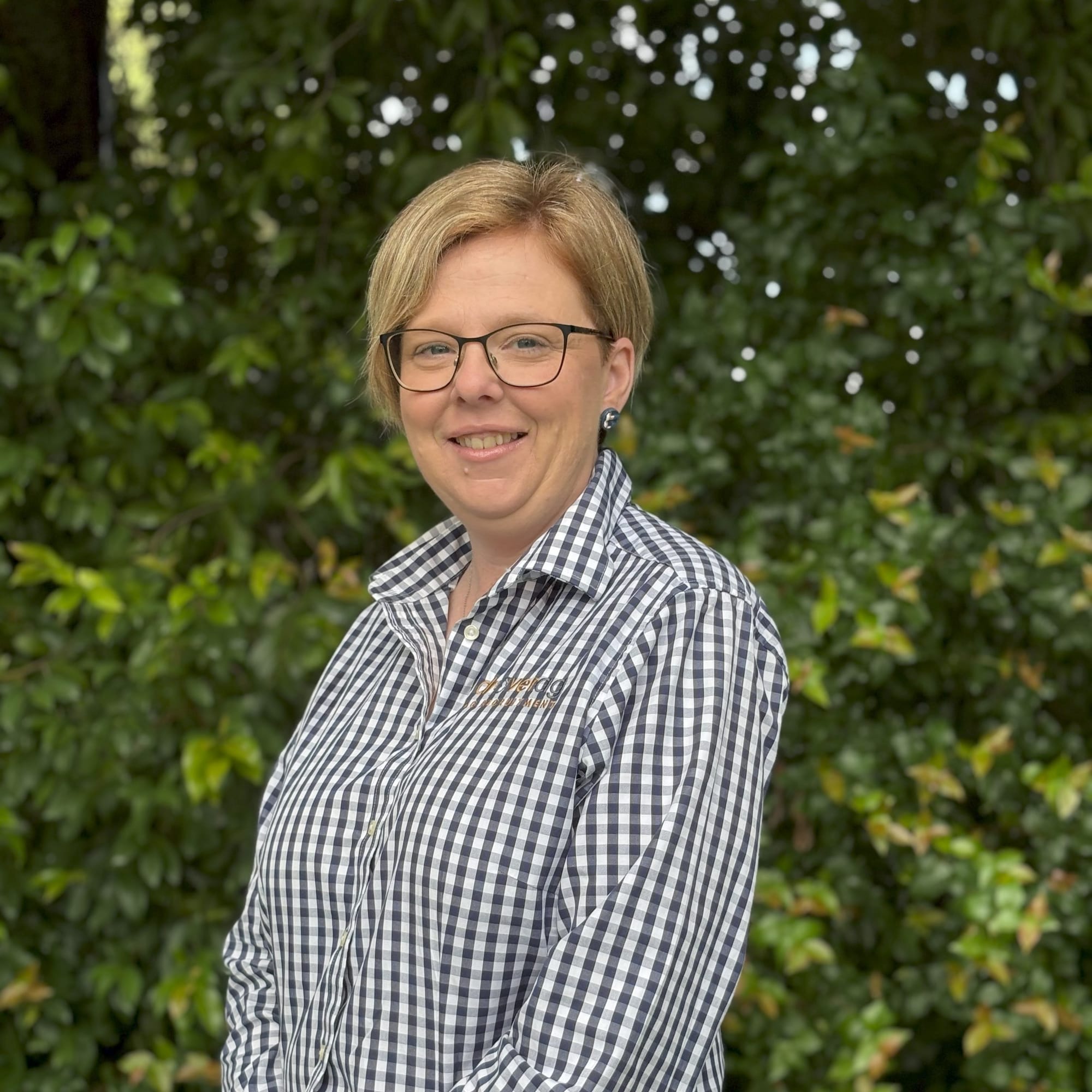
Bec Vickers, Recruitment Manager at Drover Ag, is an expert at identifying the vital "human match" needed to solve the agricultural sector's modern recruitment challenges.
Raised on cattle properties in Queensland’s Wide Bay region, Bec combines over a decade of corporate recruitment experience with genuine, hands-on industry knowledge. She remains deeply connected to the land today, living and working on her family's commercial beef operation alongside her father and husband. This powerful blend of modern recruitment expertise and practical farming experience ensures she delivers authentic, highly effective staffing solutions for primary producers across the country.