Employment Market Update - May 2026
Quality Over Quantity in a Shifting Ag Landscape
Australian agriculture has always been resilient, but the current operating environment is testing the limits of family farms and corporate agribusinesses alike. Globally, ongoing conflicts are driving fuel and input shortages and supply chain bottlenecks, creating unpredictable and costly flow-on effects for essential farm inputs.
Closer to home, the pressure is just as intense. The exponential rise in red tape and the sheer cost of doing business are squeezing margins tighter than ever. Consecutive interest rate hikes are hurting many and may not be over yet. Now, with a raft of changes to Capital Gains Tax (CGT), Trusts, and negative gearing, the structural and financial security of many family-owned farms and rural small businesses is at genuine risk. Moreover, changes across the sector are driving significant shifts in standard debt levels, farming methods, and decision-making, leading many to abandon the traditional 'save for a rainy day’ resilience mentality of the past.
Naturally, this perfect storm of uncertainty is trickling down to the farm gate, reshaping the agricultural employment market and forcing producers to rethink how they manage their teams.
The Hard Data - A look at the current Ag Jobs market reveals a distinct shift in hiring behaviours. Since December 2025, the agricultural job market has entered a pronounced softening period, a perfect storm of contributing factors the likes of which we have never seen before.
In the 12 months leading to February 2026, total employment in agriculture, forestry, and fishing fell by approximately 7,900 workers (-2.6%). While major cities have seen slight increases in general job ads, the agricultural sector's long-term trend remains downward, with rural job advertisements sitting roughly 9.6% lower year-on-year.
What is driving this? Initially, higher business costs for diesel and fertiliser, alongside weather uncertainty, severely dampened farmer confidence, prompting many agribusinesses to adopt a conservative "wait and see" approach to hiring.
Earlier ABARES forecasting predicted a potential fall in farm business profits for 2026-27 due to lower commodity receipts. However, with so much rapid change and unexpected disruption affecting global markets, this original forecast may not come to fruition. In fact, the same global uncertainty that is driving up input costs can also push the prices of the commodities we grow higher, creating sudden pockets of high-price opportunities for agile producers ready to capitalise.
The Paradox: Fewer Postings, Exceptional Opportunities - Despite the drop in overall vacancy volumes, we are seeing a paradox: the quality of the roles hitting the market remains exceptionally high.
While general application rates per ad remain high, many candidates lack the specific technical expertise required. Today’s top-tier businesses are crying out for specialised skills. Recent industry reports highlight a critical shortage of workers with digital, business, and risk management capabilities, alongside a rapid increase in demand for agritech technicians and operators. Because of this, some employers are shifting their recruitment strategies—moving away from reactive hiring to adopting three-to-five-year workforce planning models for leadership and succession roles.
The Hidden Cost: Are You Taking on Too Much? So, where is the rest of the work going if job volumes are down?
The reality is that the work hasn't disappeared. As financial and regulatory pressures mount, many farm owners and managers are simply absorbing the extra workload themselves. They are holding off on hiring that extra station hand or assistant, choosing instead to step back into the paddock, the sheep yards, or the tractor cab to get the job done.
While this "roll up your sleeves" mentality is the backbone of the bush, it comes with a dangerous hidden cost: burnout and bottlenecking. When owners and senior managers are bogged down in $30/hour day-to-day tasks, they have no capacity left for the $300/hour strategic work—like navigating complex new compliance regulations, structuring, or forward-planning through market volatility. It also puts immense pressure on the existing farm team, often leading to poor communication and, eventually, a drop in staff retention.
Adapting to Change: Working Smarter, Not Just Harder - The market is changing, and at Drover Ag, we are changing too. Drover Ag are no longer ‘just’ recruiters. We are continuously diversifying our services and developing new ways to help farmers and the rural community navigate these pressures.
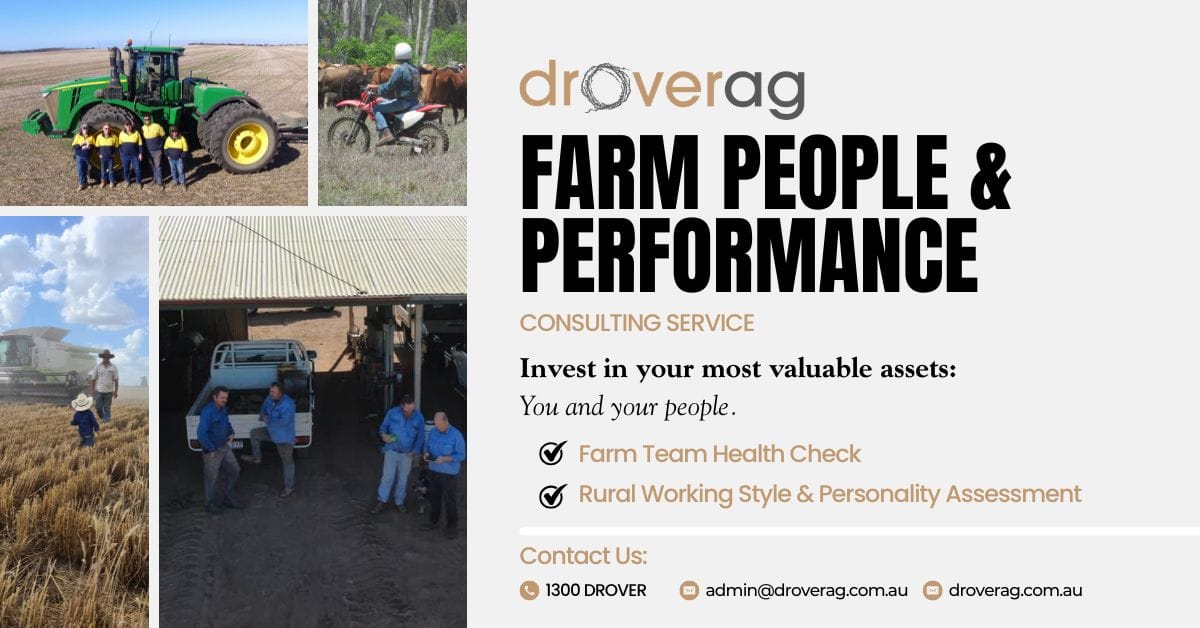
We have just launched our new Farm People and Performance consulting service and plan to add even more tools to our already comprehensive recruitment and job advertising services. Sometimes the answer isn't adding more to the staff headcount; it's optimising the team you already have, restructuring roles, and building systems that allow your staff to operate autonomously while you focus on protecting the business. And in this way, we are no different to a farm or any other rural business.
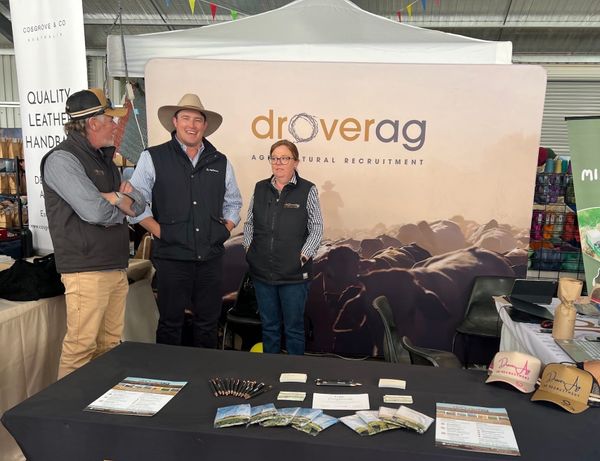
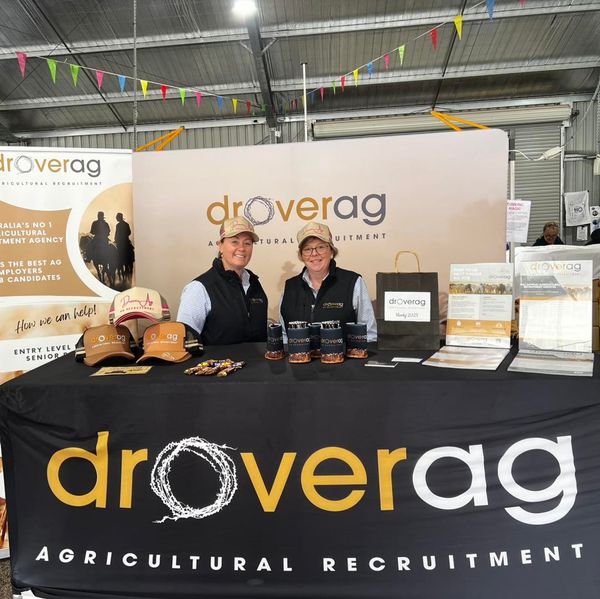
Through all this industry shift, one thing that has not slowed down is our commitment to the heartland. From sponsoring local footy clubs and rural health initiatives to backing major field days across the country, we believe that agriculture's greatest asset is its people.
 Megan Boote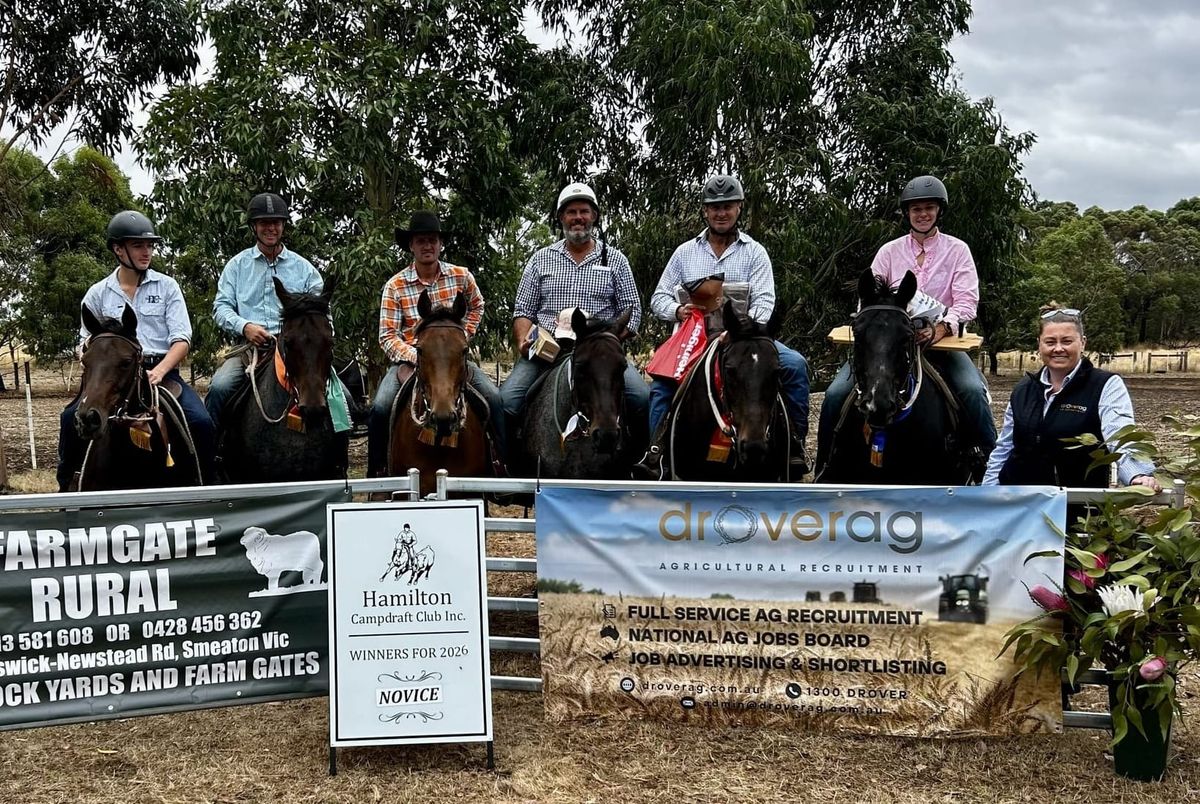
Is It Time for a Team Health Check? Take a moment to step back and assess how your team is truly functioning this season. Ask yourself honestly—does your farm business suffer from any of these issues?
- You feel like you are always chasing, reminding, or fixing things yourself...
- New staff take too long to settle in or never quite get up to speed...
- There is tension in the team, but no one is communicating...
If you are nodding your head, you aren't alone. But you don't have to navigate it alone, either.
👉Take the Quiz today to find out how Drover Ag can help you build a more productive, independent, and high-performing farm team.