Daily Ag News - 29 April 2026
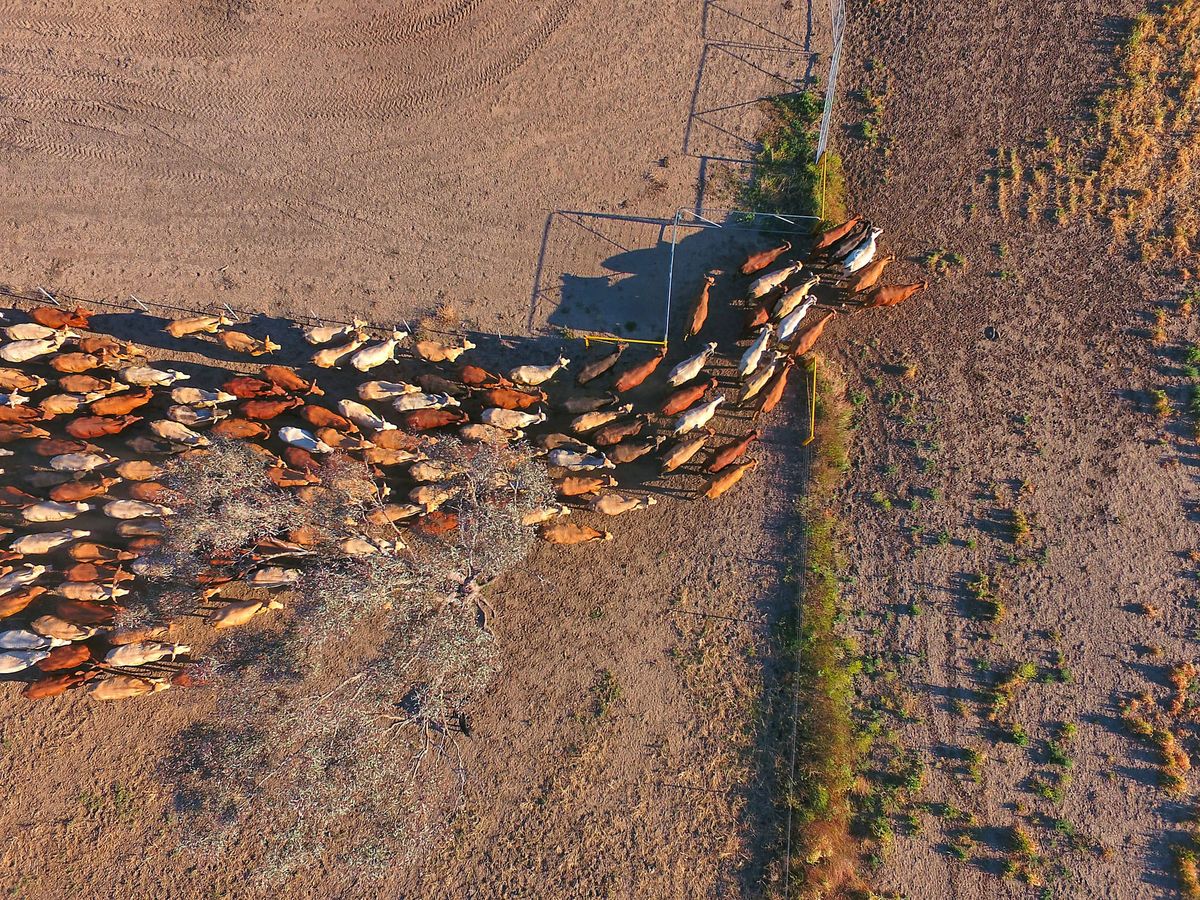
Dry conditions continue to dictate market throughput and price pressure for producers, while regional infrastructure—from fuel security and banking to long-distance rail logistics—remains a major focal point for the industry this week. Finally, grassroots initiatives like Shedway are actively tackling the invisible threat of Q fever by bringing mobile vaccination clinics directly to regional livestock workers.
Beef:
Markets & Processing - The massive liquidation of cows from parched areas in NSW and southern Queensland may finally be nearing exhaustion, even as current feedlot grids remain down due to the heavy influx of cattle. At the saleyards, Gunnedah saw cheaper cow prices this week, though feeder steers lifted 10–15c/kg in a smaller yarding.
Rural Issues & Logistics - An alliance of regional banks and community groups is urgently demanding a fix to the ongoing crisis of bank branch closures in the bush. Meanwhile, early trial findings show that cattle transported via long-distance rail can successfully meet MSA grading standards, challenging long-held transport assumptions
Source: Beef Central
Livestock:
Meat Sector Update - New data released this week confirms the Australian chicken meat industry is the nation's fastest-growing livestock sector, now contributing an impressive $8 billion to the national economy. Driven by its position as Australia's most consumed meat, poultry is the undisputed king of domestic volume. However, while its overall economic footprint is massive, the sector operates on notoriously tight margins and carries a unique risk profile for producers. Because the industry relies heavily on a contract-growing model, farmers face immense capital debt to build highly automated, climate-controlled sheds, alongside intense operational and biosecurity risks where a power failure or disease outbreak can be devastating. Consequently, while it is a high-volume powerhouse, it remains a low-margin game at the farm gate compared to the beef and sheep sectors, which continue to dominate total agricultural value by commanding premium prices on the global export market.
Source: AgriFutures Australia (April 28, 2026)
Fuel Security:
$800M Pledge for Diesel Storage and Fuel Security to Protect Farm Operations - The Federal Coalition has unveiled a major policy plan to more than double Australia’s minimum fuel reserves to 60 days, promising an $800 million 'Australian Fuel Security Facility'. The initiative aims to unlock over 1 billion litres of new on-ground storage, with a critical focus on diesel. For the Australian agricultural sector, which relies almost entirely on uninterrupted diesel supplies to power heavy machinery, harvesting, and freight logistics, the announcement addresses a major supply chain vulnerability. Leader of the Nationals Matt Canavan highlighted the stakes for regional producers, noting that "if the diesel doesn’t turn up, the farm doesn’t run." The Coalition’s plan includes a commitment to lift baseline stockholding levels by January 2027, aiming to shield regional supply chains and farm-gate profitability from unexpected global supply shocks. Source:Liberal Party of Australia (April 28, 2026)
Ag Tech:
$30 Million Innovation Fund Launched for Queensland Agriculture - The Queensland Government has officially launched the "Sowing the Seeds of Farming Innovation Fund," a $30 million initiative designed to supercharge agricultural technology across the state. Established in partnership with the Queensland Investment Corporation (QIC), the fund backs agri-innovators developing cutting-edge, commercially viable technology aimed at driving on-farm productivity, profitability, and sustainability. The initiative is a key pillar in the government's ambitious strategy to push the total value of the state's primary production to $30 billion by 2030.
Source: Queensland Government (April 28, 2026)
Rural Health:
The Invisible Threat: Q Fever in the Livestock Sector - Q fever is a highly contagious bacterial infection and the most commonly reported animal-borne disease in Australia. Spread primarily from cattle, sheep, and goats through dust contaminated with animal fluids or birth products, the bacteria can easily be inhaled during everyday tasks like mustering or shearing. Symptoms range from severe flu and debilitating fatigue to life-threatening heart infections (endocarditis).
The most effective protection is the Q-VAX vaccine, which requires a two-step medical process: a skin and blood test to check for prior immunity, followed by the actual vaccination seven days later. To overcome this logistical hurdle for transient rural workers, grassroots initiatives like Shedway are bringing clinics directly to the industry. By running coordinated programs at regional events—such as testing workers at one shearing show and vaccinating them at the next—they ensure shed families get protected without the hassle of multiple GP visits.
Where to Find Help and Industry Programs:
- The Australian Immunisation Register : A vital database to record and track your vaccination status, which is often mandatory for abattoir and feedlot employment.
- National Centre for Farmer Health: Your go-to for comprehensive fact sheets on biosecurity, workplace safety, and PPE guidelines.
- Dairy Australia: Currently running subsidised testing and vaccination programs for Victorian dairy workers to reduce out-of-pocket costs.
- More Information https://www.cdc.gov.au/diseases/q-fever
Protect your livelihood by speaking to your local GP or Public Health Unit today about getting vaccinated.