Weekly Update – April 8, 2026
Welcome to your weekly briefing. This week, we’ve moved past the "theoretical" as supply chain pressures hit the paddock level, livestock continues its solo run, and the southern autumn break remains a high-stakes gamble.
But beyond the markets and the rain, we are looking at the engine room of the industry: your people.
1. Fertiliser Crisis: Force Majeure is Here
The supply chain "watching brief" has officially transitioned into a procurement crisis. CSBP has declared force majeure on some Flexi-N (liquid nitrogen) contracts. While March and April deliveries are reportedly holding at 100% fulfillment, significant shortfalls are projected for the cruicial May–July window.
- The Global Squeeze: Chinese export restrictions on Urea-Ammonium Nitrate (UAN) and a production outage at the Yara Pilbara plant have choked supply.
- The Price Shock: Global urea prices have surged from $400/t in January to over $800/t (approx. $1,400 landed) this week.
- Policy Support: The Federal Government has established a Fertiliser Supply Working Group and deferred full cost recovery for export services until July 2027 to provide "breathing space" for margins.
2. Market Divergence: Livestock vs. Grains
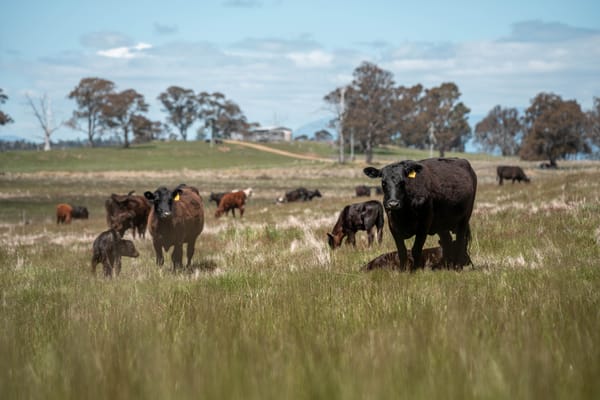
The financial "heavy lifting" is currently being done by the shed and the yards. Mixed-farming businesses are leaning heavily on livestock to protect margins as grain markets face a global supply glut.
- Livestock Resilience: DAFF’s latest update shows the EYCI remains robustly above year-ago levels. Lamb and mutton are also showing material year-on-year strength.
- Grains Under Pressure: Export wheat and barley remain soft due to heavy global inventories. Rabobank’s 2026 outlook suggests this "softness" in grains may be the theme for the year, while meat and dairy hold their ground.
3. Weather Watch: The Southern "Autumn Pause"
The Bureau’s latest outlook confirms a 60% to 80% chance of below-average rainfall through June for Victoria, SA, southern WA, and Tasmania.
With an El Niño watch now in effect for late winter, moisture conservation and precision input timing are no longer optional—they are the difference between a crop and a failure.
4. The Human Element: Managing the "Stress"
With fertiliser contracts in doubt, huge increases in fuel costs and climate uncertainty, the pressure on farm owners and staff is at an all-time high. Staff retention in 2026 isn't just about the paycheck; it’s about culture during the crunch.
Managing Team Morale
- Transparent Communication: Don’t keep the fertiliser, fuel costs or rainfall stress to yourself. If plans change (e.g., shifting from cropping to more grazing), explain the why to your team. People handle uncertainty better when they feel part of the solution.
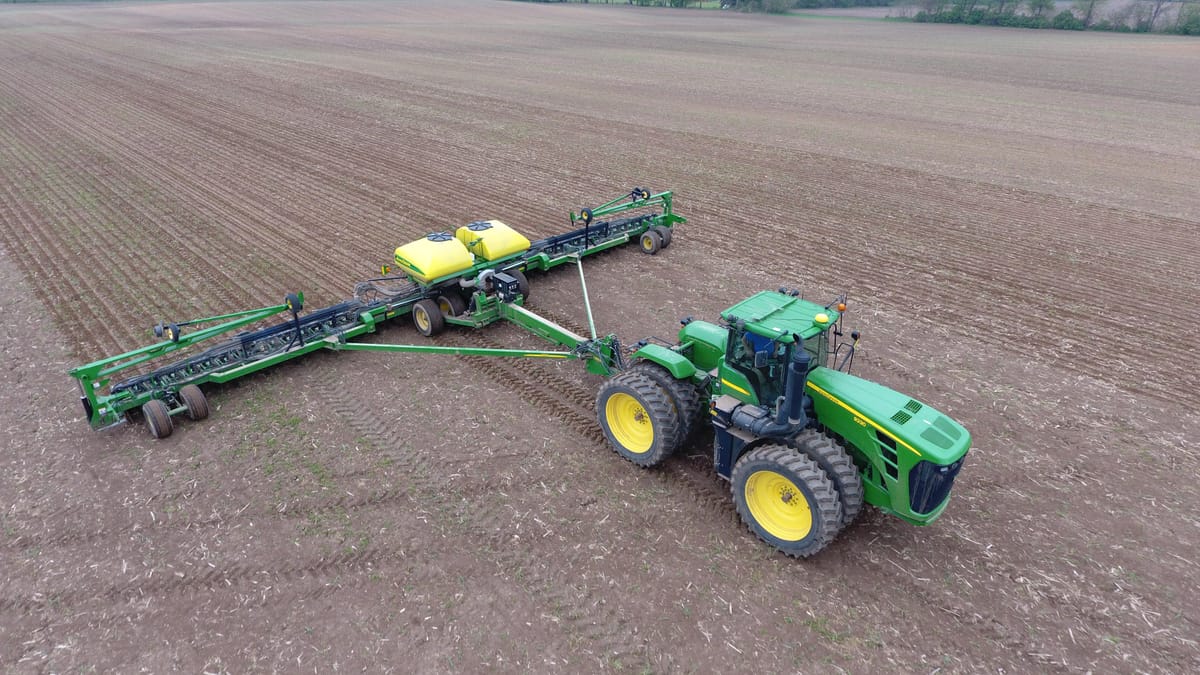
- The "Burnout" Audit: Sowing season is long. Ensure your operators are getting adequate breaks. A tired operator is a safety risk and more likely to quit mid-season.
- Celebrate Small Wins: When stress is coming from all angles, morale can tank. Acknowledge when a machine is serviced perfectly or a paddock is sown efficiently. Positive reinforcement is free but high-value.
Managing Your Own Stress
- Focus on the Controllables: You can’t control the Strait of Hormuz or the BOM forecast. You can control your soil testing, your machine maintenance and the quality of your data.
- Peer Support: Now is the time to lean on your local grower groups and support network. If you’re feeling the weight, chances are your neighbour is too.
This Week’s Action Plan
- Audit Your Nitrogen: Check your contract status immediately. If you are impacted by force majeure, seek alternative sources before further price hikes.
- Paddock Prioritisation: Focus sowing efforts on paddocks with existing subsoil moisture.
- Team Check-in: Set aside 15 minutes this Monday for a "toolbox talk" that focuses as much on the team’s well-being as it does on the machinery.
Sources: Bureau of Meteorology (BOM), Grain Central, DAFF Weekly Update (April 2), Bureau of Meteorology Seasonal Outlook (April 8), WAFarmers, Rabobank Australia Agribusiness Outlook 2026.