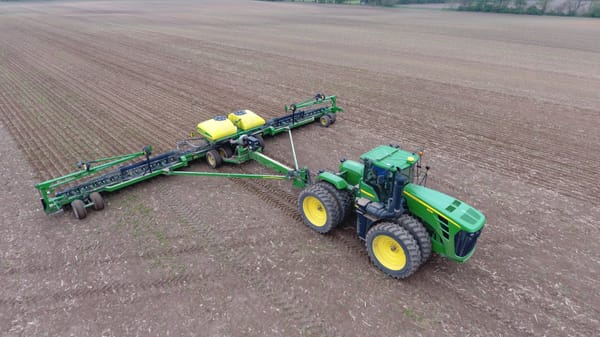
Daily Update 9 April 2026
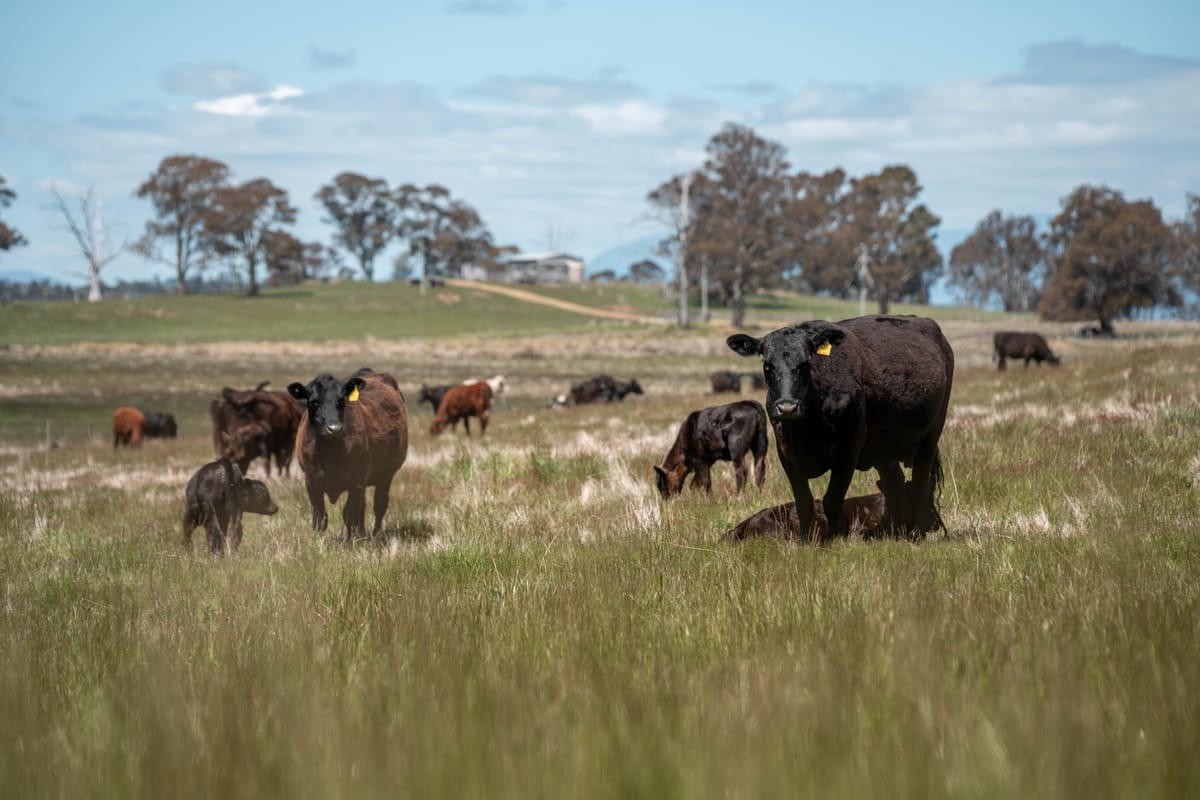
The general mood across the Australian agricultural landscape is one of disciplined resilience. While confidence in the livestock sector is surging, cropping and inputs are being hammered by global volatility. Producers are ditching "shiny toy" tech in favour of practical gains—focusing on better efficiency, reduced waste, and clearer commercial outcomes.
The current operating environment favours the pragmatist. Ag businesses are responding best to services that improve control and make day-to-day operations easier to run without adding layers of complexity.
- The Trend: Moving away from expansive growth toward internal optimisation.
- The Goal: Practical gains in efficiency over unnecessary high-tech bloat.
Pro Tip: Decision Intelligence
Dont just record data, start using prescriptive analytics.
In a high-cost environment, "gut feel" is a luxury. Use platforms like Agworld or AgriWebb to move beyond simple record-keeping. Focus on interoperability—ensuring your tech talks to your machinery to enable tools like Variable Rate Application (VRA). Cutting fertiliser waste by even 5% through precision data is the fastest way to offset current $1,400/t Urea prices.
The Rule: If the tech doesn't save you time or cash within one season, cut it.
Livestock: Confidence Surges Amidst Labour Pains
Despite margin pressures, the mood in the cattle and sheep sectors is the most positive it’s been in years.
According to the latest MLA Beef Producers Intentions Survey, nearly 80% of cattle producers report a positive outlook for 2026, driven by solid global demand and improved rainfall in the north.
The Challenge: Labour quality and retention remain the "operational drag."
People management is now a core productivity metric. Team reliability directly affects throughput; if the team isn't reliable, the pressure lands squarely back on the owner’s shoulders.
Pro Tip - Agricultural enterprises are increasingly using digital onboarding and compliance apps to speed up worker readiness and reduce safety risks.
Grains & Cropping: The Great Input Rebalance
Cropping businesses are currently playing a high-stakes game of balancing seasonal conditions against soaring input costs.
- The Shift: Due to the conflict in the Middle East, diesel prices have spiked by 88% and Urea has jumped 60%, hitting roughly $1,350/t.
- The Response: Growers are shifting away from nitrogen-hungry crops. We are seeing a 10–12% drop in wheat hectarage in favour of less intensive options like barley and pulses.
- Systems Over Labour: With the 2026 labour market still tight, there is a premium on internal systems (Standard Operating Procedures) that allow a "B-team" to deliver "A-grade" results, reducing owner dependency.
Inputs & Cost Pressure: The "Cautious Commercial" Mindset
Cost pressure from fertiliser, fuel, and freight isn't just a backdrop—it’s the primary driver of 2026 decision-making.
- The Reality: The cumulative effect of these costs has created a "cautious and efficiency-focused" mindset.
- The Strategy: Farmers are drawing down on alternative stocks, like ammonium sulphate (amsul), to bridge the gap left by tight urea supplies.
- The Pitch: If a service isn’t "margin-aware" and practical, it’s being viewed as discretionary. In 2026, if it doesn't save time or money immediately, it's not getting a look-in.
Sources & Further Reading:
Meat & Livestock Australia (MLA):2026 Beef Producers Intentions Survey– Highlights the 80% confidence surge.
Rabobank Australia:2026 Agribusiness Outlook– Analysis on geopolitical risks and commodity "divergence."
GrainGrowers / Reuters:Fertiliser and Fuel Report (April 2026)– Details on the 60-80% price hikes in Urea and Diesel.
ABARES:Snapshot of Australian Agriculture 2026– Data on production value and export trends.
Is your current labour strategy keeping up with these shifts, or are you finding yourself stuck "doing the doing" because the team isn't quite there yet? Drover Ag can help.