Daily Update 11 April 2026
Autumn 2026 is shaping up as a margin-management season as much as a production season. Across weather, fertiliser, diesel, livestock throughput, grain markets and water policy, the pattern is pretty clear: many businesses may still produce well, but the operators who manage input exposure, timing and regional risk best are likely to be in the strongest position.
Weather
Recent southern rain offers relief, but long-range outlook remains dry. While the 15–30mm falls across parts of the southern states on April 9–10 have provided a timely moisture boost for early sowing and dust suppression, the Bureau’s latest long-range outlook remains a necessary reality check. Despite the wet week, the forecast through June still leans heavily toward below-average rainfall and warmer-than-average temperatures for most of the country. For southern producers, this recent rain is a "bonus" start, but the broader data suggests a need for tight feed budgeting and cautious water management as we head into a potentially dry winter.
Source: Bureau of Meteorology — Australian long-range forecasts
https://www.bom.gov.au/climate/ahead/outlooks/archive/20260402-outlook.shtml
Grains
Grain growers in WA are weighing legal action over fertiliser force
majeure calls
WAFarmers is considering legal options after recent force majeure declarations affected UAN supply in WA. This matters because fertiliser reliability is now directly tied to cropping confidence and early-season planning. For growers, it is another sign that input supply risk is no longer theoretical and needs to be built into purchasing, timing and cashflow decisions.
Source: Grain Central — https://www.graincentral.com/news/
Grain markets remain highly fragmented across Australia
Grain Central’s market wire noted major regional divergence across Australia, with better profiles in parts of SA and Victoria, less confidence in the north, weak wheat export demand, and no quick short-term relief yet for energy costs. The practical implication is straightforward: grain marketing and procurement decisions are
increasingly local, and broad national assumptions are less useful than region-specific positioning.
Source: Grain Central — Daily Market Wire 1 April 2026
https://www.graincentral.com/markets/daily-market-wire-01-april-2026/
Inputs
Diesel prospects have improved, but urea remains the bigger concern A NSW Farmers webinar heard that the Iran-US ceasefire has improved the diesel outlook, but urea remains scarce and expensive. That leaves mixed news for farm businesses: fuel pressure may ease somewhat, but fertiliser costs and availability are still a real operational risk heading into sowing. For broadacre operators in particular, the message is to keep a close eye on both price and supply certainty
rather than assume recent geopolitical headlines have solved the problem.
Source: Grain Central - https://www.graincentral.com/news/
Livestock
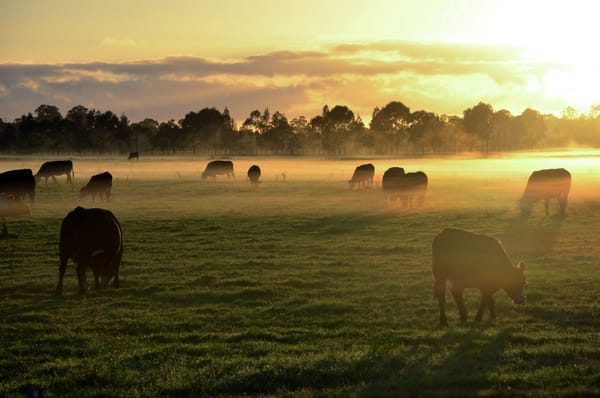
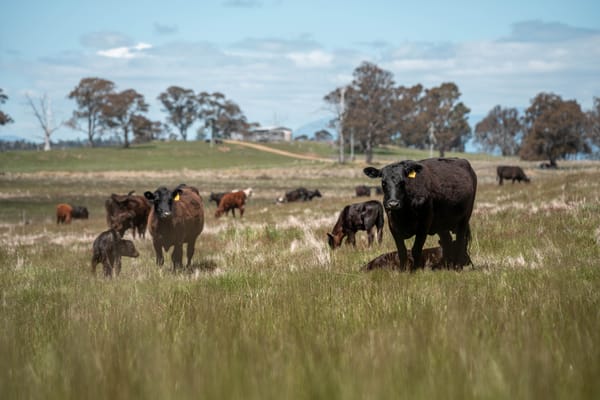
MLA is forecasting record beef production again in 2026 Meat & Livestock Australia is forecasting slaughter to reach 9.45 million head in 2026, the highest since 1978, with the national herd expected to remain above 30 million head. That points to another big production year for the beef sector, supported by northern seasonal conditions and strong global demand. The practical watchpoint is margin pressure: higher fuel and fertiliser costs could still affect transport, feeding and processor competition.
Source: Beef Central - https://www.beefcentral.com/news/record-beef-production-forecast-for-2026-as-cattle-herd-remains-above-30m-head/
Easter Cattle Update
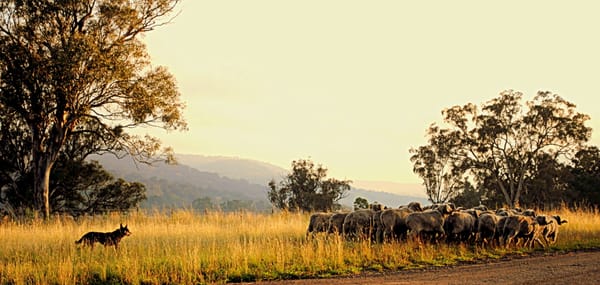
MLA’s latest weekly cattle and sheep wrap shows softer cattle indicators and strong sheep demand. The Easter break distorted throughput, but MLA’s latest wrap still gives a useful read on direction. National cattle yardings fell, and feeder indicators weakened, while sheep indicators stayed firm on a tighter supply. For producers, it is a reminder that cattle markets may continue with mixed signals, while sheep and mutton continue to show strong support in the current supply environment.
Source: Meat & Livestock Australia — Weekly cattle and sheep market wrap
https://www.mla.com.au/news-and-events/industry-news/10042026weekly-cattle-and-sheep-market-wrap/
Water
Farm groups are escalating pressure over Basin policy and water buybacks
The NFF, NSW Farmers and Victorian Farmers’ Federation have jointly called for smarter Basin management rather than more water buybacks.
Their argument is that with fuel, fertiliser and broader cost pressure already high, further water recovery from production regions would add strain to food and fibre businesses and regional communities. This is one to watch because water policy risk is again moving closer to the centre of farm business planning.
Source: National Farmers’ Federation — https://nff.org.au/media-release/farm-leaders-unite-on-the-murray-to-demand-smarter-basin-management-not-more-buybacks/