Daily Update 10 April 2026
Cattle Market
EYCI drops as fuel costs bite
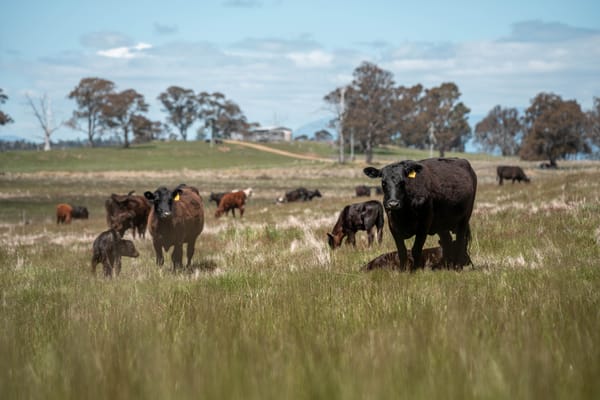
The Eastern Young Cattle Indicator (EYCI) has fallen to 801c/kg, a 10% drop since mid-March. While prices remain high by historical standards, the surge in fuel and freight costs is creating significant downward pressure. Southern processors are increasingly looking to source livestock closer to home to avoid massive freight bills—some as high as 70c/kg for long-haul transport. Producers should factor in these rising transport margins when deciding whether to send stock to distant saleyards or look for local direct-to-works opportunities.
Source: Beef Central: Saleyard prices take a hit as EYCI drops to 800c
Winter Crop Outlook
Shift away from nitrogen-heavy wheat
Record-high input costs are reshaping winter cropping programs across the country. With Urea prices hitting $1,400/t and diesel over $3.00/L due to the ongoing Middle East conflict, many growers are reducing wheat hectarage in favour of barley, pulses, and canola. These alternatives offer a lower nitrogen requirement and a better risk-reward profile in the current environment. For those sticking with heavy cropping programs, precision application and soil testing are no longer optional—they are the primary tools to protect margins from being erased by input bills.
Source: Commonwealth Bank:‘We’re really going to feel things from here’ – oil shock reshaping the global outlook
Climate
Drier and warmer autumn ahead
The Bureau of Meteorology has confirmed a high likelihood of below-average rainfall for the southern two-thirds of Australia through July. Daytime temperatures are very likely to remain above average, which will accelerate the drying of topsoil as winter sowing commences. With an El Niño transition possible by late winter, moisture conservation during the current sowing window is critical. Growers in the southeast and WA should be prepared for a tight start to the season and plan feed budgets accordingly if pasture growth stalls.
Source: Bureau of Meteorology:Climate outlook for April to July - Long-range forecasts
Property
Local buyers dominate $52.5M Great Southern sale
In a show of local confidence despite broader economic pressures, three local landowners have purchased the 11,262ha West Fitzgerald and West River Aggregation in WA for a record $52.5 million. The sale, which averaged over $8,000/ha for arable land, underscores the continued demand for high-quality, reliable cropping and grazing country. For neighbouring producers, this sets a significant new benchmark for land values in the Great Southern region and reflects a "buy when you can" mentality among established family operations.
Source: Grain Central: Great Southern holdings split three ways for $52.5M
Dairy
Production stabilises, but export risks cloud the outlook.
National milk output lifted 0.6% in February, though season-to-date figures remain slightly behind last year. While production is stabilising, the industry is watching the recent draft text for a free trade agreement with the EU. Actual market access is not expected until 2027, meaning the current focus must remain on managing domestic costs. With cull cow prices rising 11% year-on-year, dairy farmers have a strong exit price for underperforming stock, providing a useful cash-flow buffer as feed and fuel costs rise.
Source: Milk Value Portal: Australian Dairy Market Updates
Cotton
Management focus shifts to harvest and inputs
Cotton growers are entering peak picking season while simultaneously navigating severe fuel supply constraints. Industry bodies are advising a focus on "harvest efficiency" to minimise engine hours and fuel burn. Beyond the current crop, the focus is already shifting to nitrogen procurement for the next season. Growers are being encouraged to audit their on-farm fuel storage and look at early-season nitrogen contracts where possible to avoid the volatility seen in the broadacre sector.
Source: Cotton Research and Development Corporation (CRDC): Fuel and nitrogen inputs: what cotton growers need to know right now
Sheep
Tighter flock keeps prices resilient
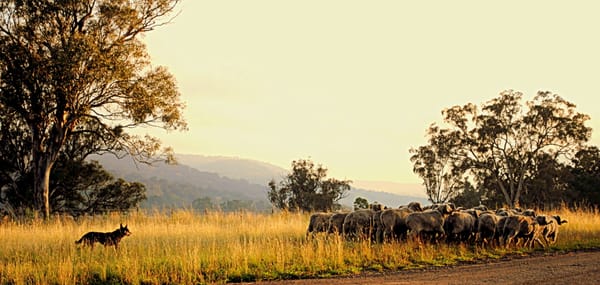
In contrast to the cattle market, sheep indicators have remained steady to increasing. A smaller national flock—now estimated at 67 million head—combined with firm export demand from the Middle East is keeping supply tight. For mixed farmers, this resilience provides a useful buffer against volatility in the grain and beef sectors. Maintaining condition on breeders through a potentially dry autumn will be the key to capitalising on these prices during the spring flush.
Source: Meat & Livestock Australia (MLA): Smaller flock sharpens shift in production focuses
Employment
Labour retention as a productivity tool
The current agricultural labour market is no longer just about "finding a body"—it is about keeping them. With the cost of operational errors rising alongside input prices, the "owner-dependency" trap is becoming a major risk for mid-to-large enterprises. Businesses that invest in digital onboarding and simplified operating systems are finding they can maintain throughput even with less experienced staff. In 2026, a reliable team is proving to be a better hedge against inflation than any piece of machinery.
Book a Drover Ag Discovery Call today to secure reliable staff and get yourself back to managing the big picture.
Drover Ag News is currently FREE to all readers, but if you would like to get in line for our exclusive content emailed directly to your inbox, sign up today.